Reflections on a Viennese Euroadventure
Our Euroadventure came to a close almost four weeks ago. I know I said this would be a weekly-(ish) blog, but after those first few weeks, I really struggled to write anything that didn’t sound like a banal travelogue. The internet has enough of those, we don’t need more!
So let me spare you ChatGPT-like descriptions of the art museums we saw and the toftelspitz we ate, and tell you what it felt like to live in Vienna as a regular person going about their life. Here are some reflections in no particular order:
1. Vienna is an amazing city
I didn’t expect to have such clear feelings at the end of all this, but it’s undeniable: Vienna is an incredible city. In my opinion, it’s one of Europe’s best kept secrets. People make a fuss about Paris, Rome, and London, and certainly those are amazing cities too. But I see now why Vienna consistently makes this list of worldwide most “livable” cities. It’s just a nice, beautiful place to live! It’s clean, has gorgeous architecture, abundant green spaces, an incredible public transportation system, is relatively safe, and has an extremely affordable cost of living. Walking around the city, you don’t get that nervous “on edge” feeling that so many American cities are known for.
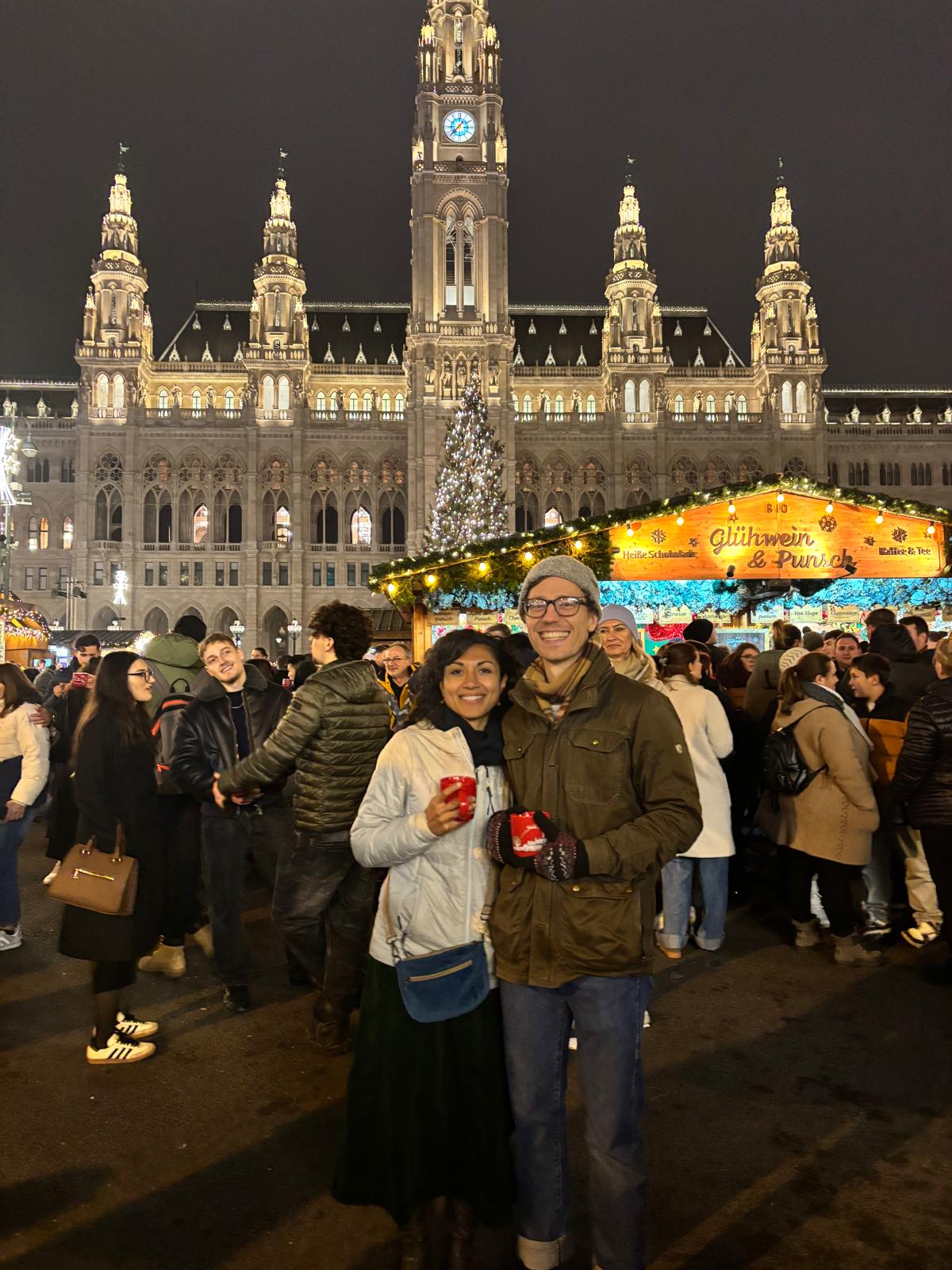
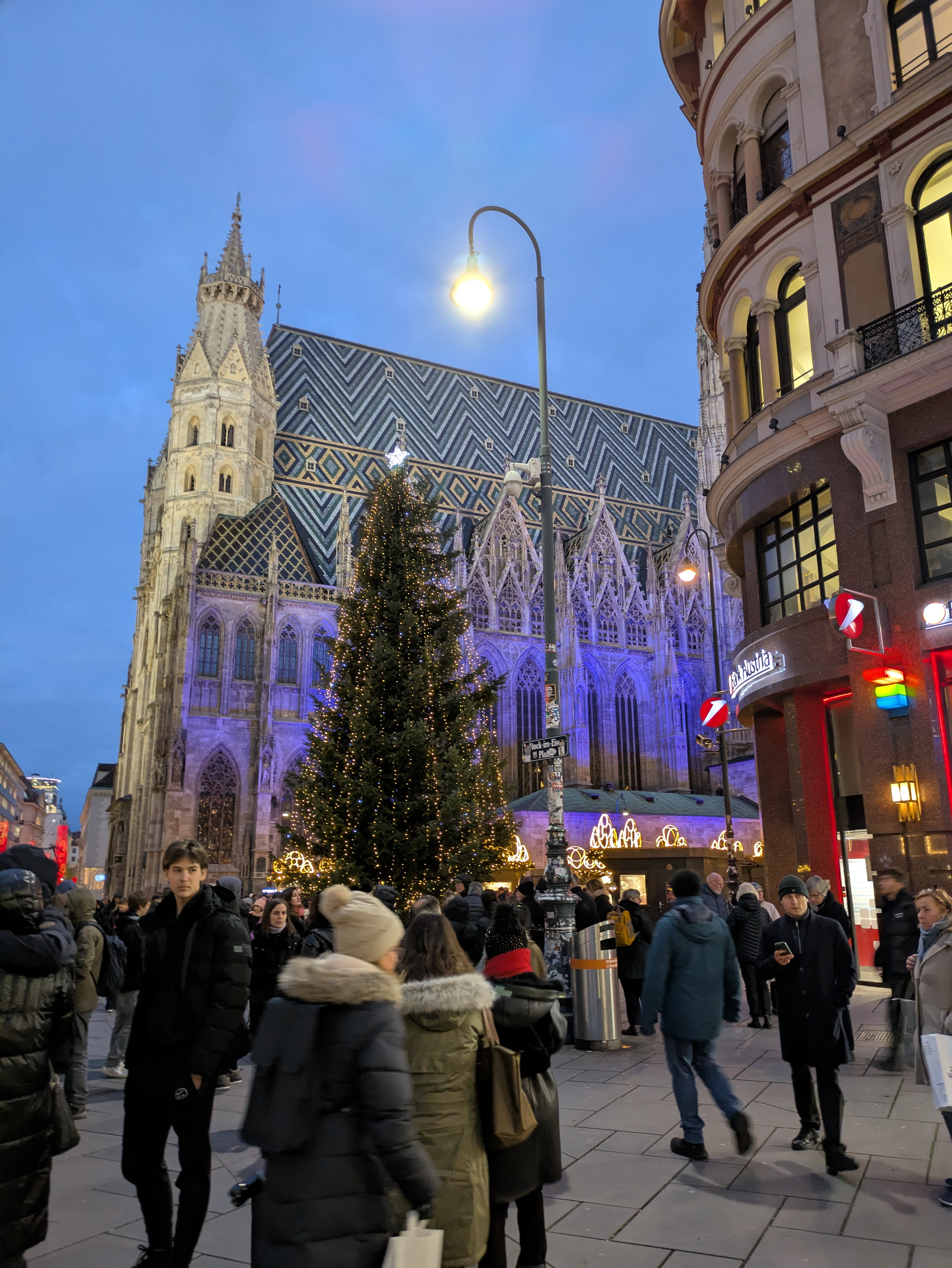
Not only is it comfortable to live in, it’s an active, dynamic city with a vibrant intellectual scene. Every season has it's own set of city-wide events (we visited many Christmas markets that started in November). There are multiple universities and technical schools that draw smart people in from all over the world. I met students in molecular biology and professionals working in the climate industry.
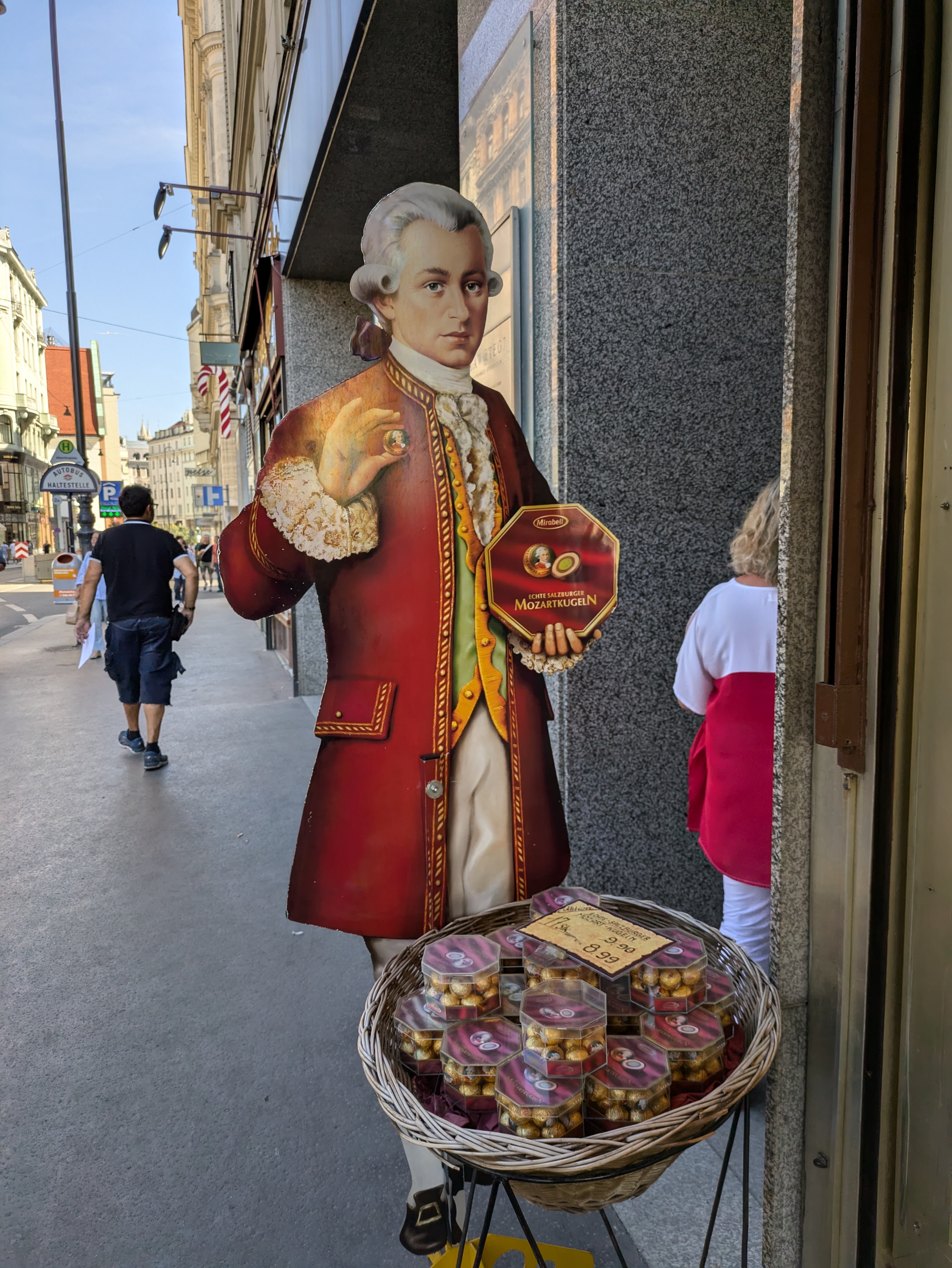
The art is amazing, and music (especially classical music) is an integral part of the city (Mozart is from Vienna, and boy is Vienna proud!). A singular Mozart truffle is the calling card of Vienna. It’s progressive, and of course, you don’t need reminding that the government pays for healthcare and much effort is put into maintaining the city’s infrastructure. I even had my own brief (and ultimately minor) health scare during our stay and I was able to see a doctor who quickly addressed my concern for free. The quality of the care and the genoristy blew me away.
2. The downsides
Of course, nothing is perfect. There are costs (figurative and literal) to living in a well-functioning city. According to this source, Austria has a progressive tax system which can be as high as 40% for an individual making only 65k euro a year. Perhaps the social programs are plentiful enough to justify it, but that would be hard to get used to.
Everything material is surprisingly mid…the coffee was fine. The everyday food was fine (very good in some categories, like bread, but not stunning). There are no great differences across commercial brands from soap to yogurt to bread. Even differences across neighborhoods have been smoothed over. There are definitively nicer parts of town, but they are not shockingly nicer than the less nice parts of town. It’s as though all material things are regressing to the mean: neither horrible nor terrific, simply just good enough. When it comes to buildings and roads, that’s a desirable thing. But when it came to food and cosmetics, I found myself missing some things.
As a vibe, Vienna feels less competitive and urgent. And there is a lot of bureaucracy (which is generally true for a lot of Europe). Businesses operate on their own time, unbothered by trying to make customers happy. Most shops are closed every Sunday. We learned, for example, that car repairs can take months, because the mechanic is never in a hurry. Applying for apartments is slow, because the realtor doesn’t feel the need to move the paperwork forward. And while there is definitely a professional scene (even a start-up scene I learned!), I get the sense everything is just a little less frenetic. There is a focus on slowing down and enjoying life.
Of course we have no shortage of problems in the US because of our over-emphasis on #disrupt competition (particularly in spaces where it doesn’t belong, like healthcare), but a “slow and chill” vibe straight-jacketed by red tape would be frustrating.
3. The unexpected
I expected people to be less friendly, but on the whole, this turned out to be false! The supposedly grantig Austrians were pretty friendly, especially locals in our age group. Expats were also super friendly. I did get chided by one elderly Austrian lady for running in the middle of a residential street (or at least that’s what I think she was upset about…she spoke only German and I heard the word laufen after she urgently flagged me down at the end of a run), but on the whole, no major issues here.
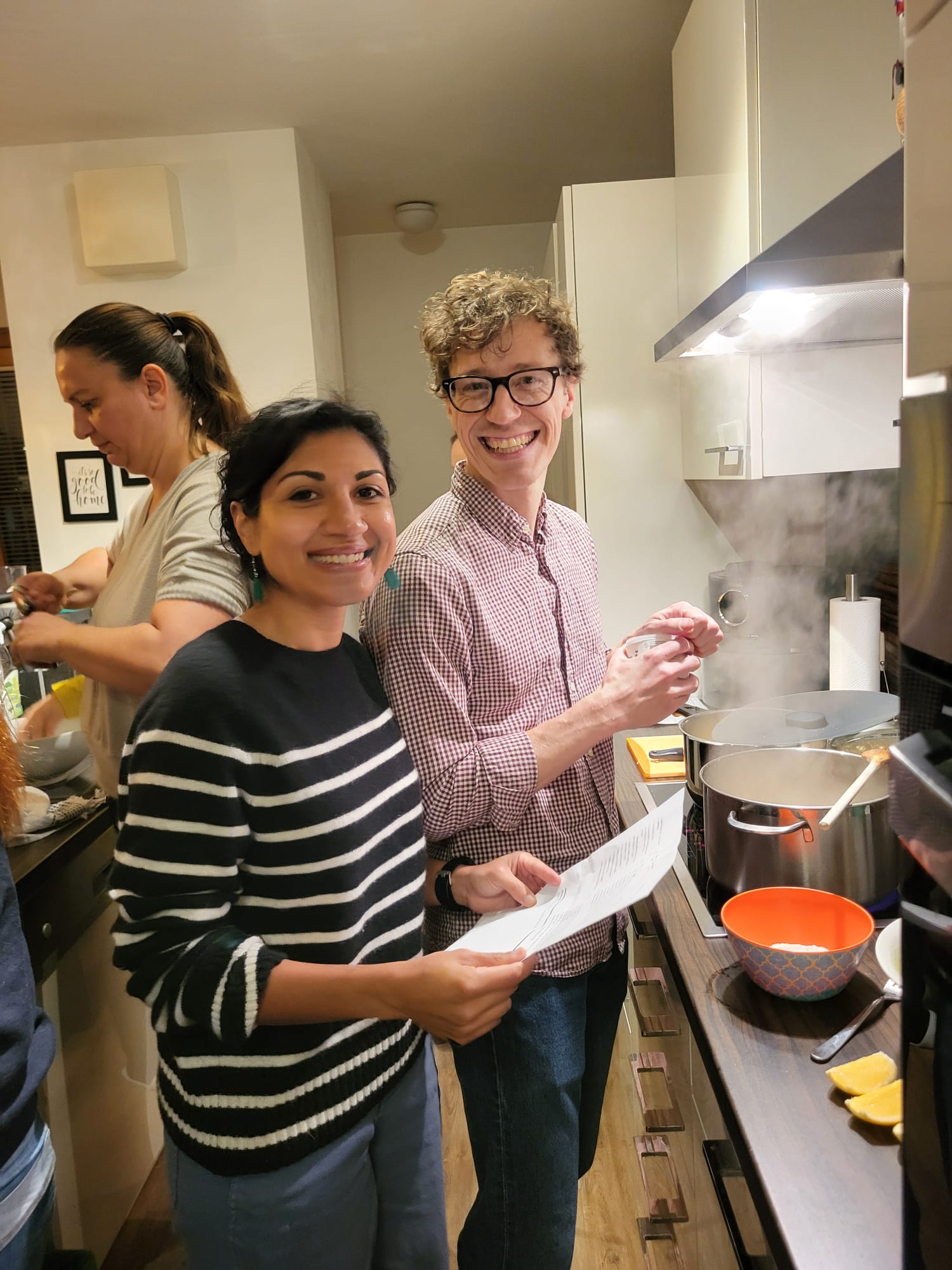
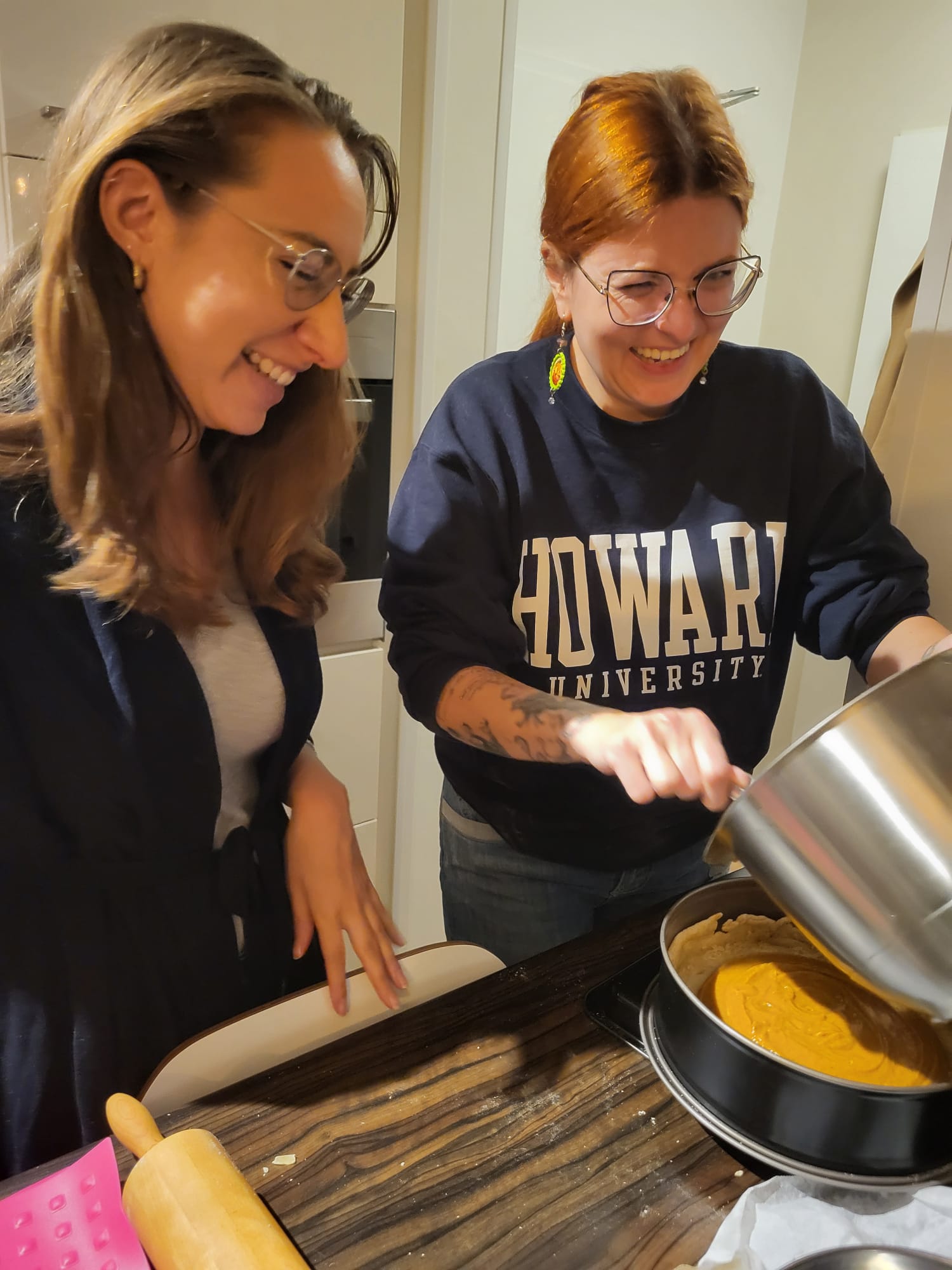
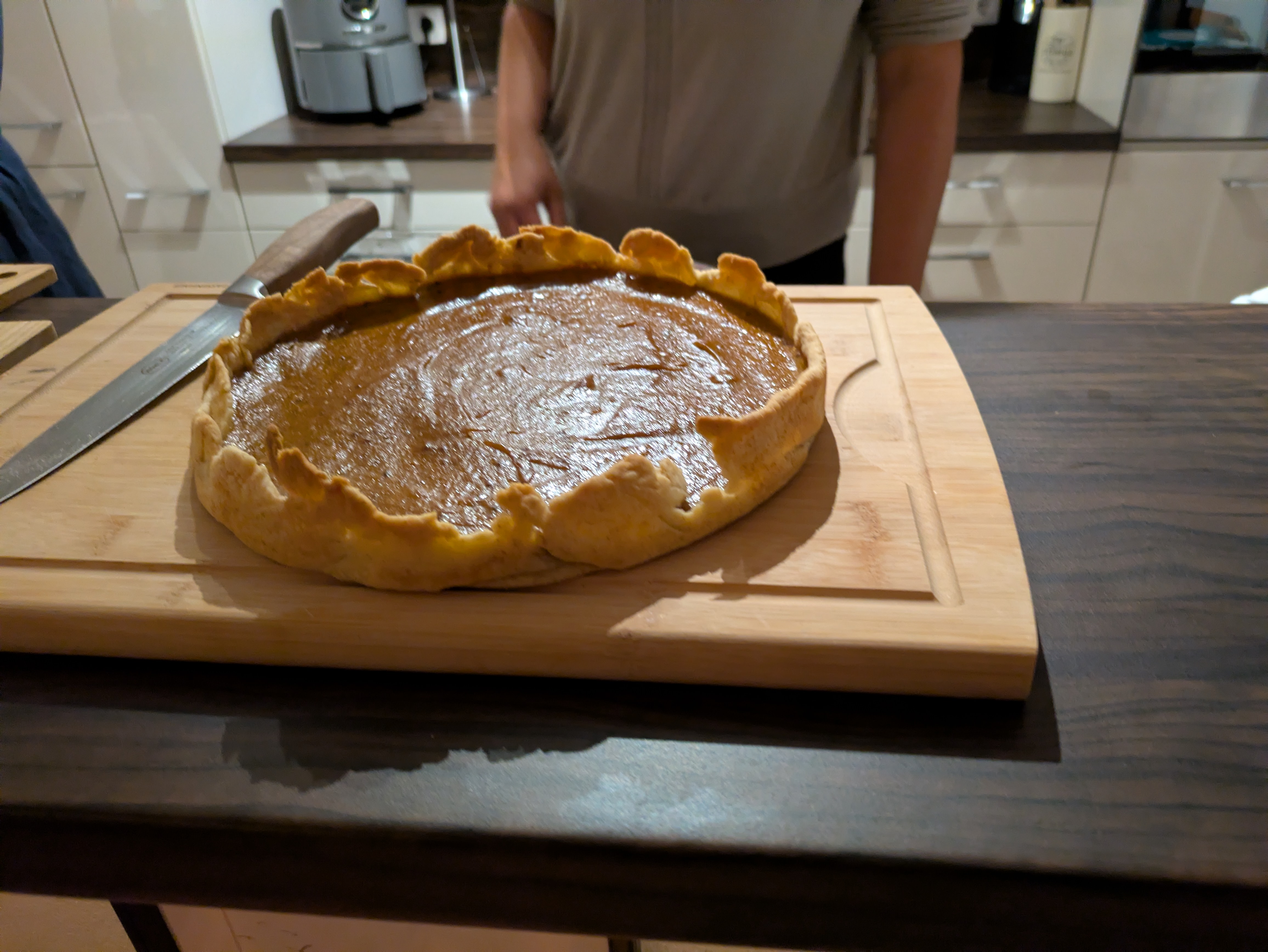
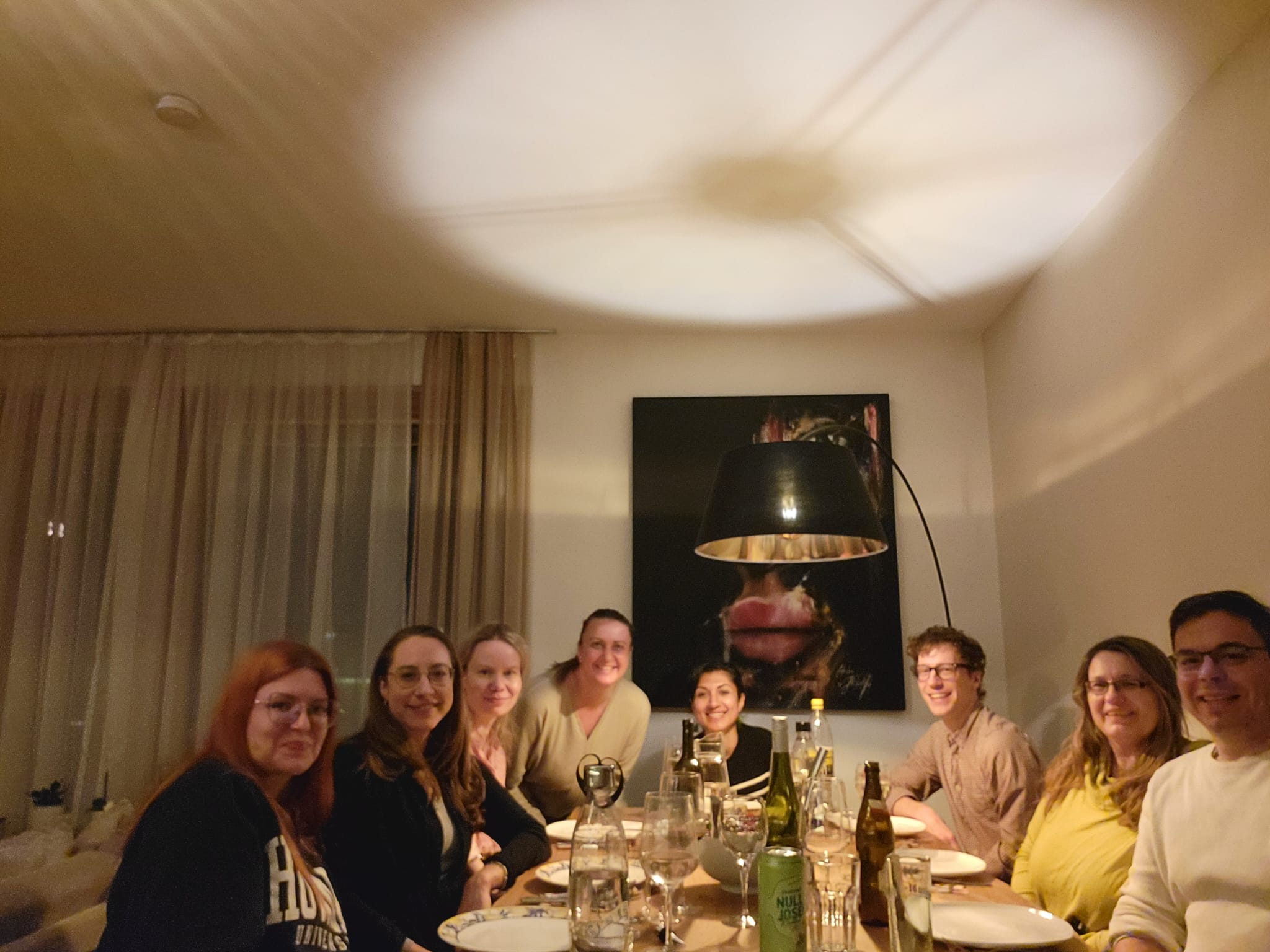
I expected it to be way harder to meet people, but it really wasn’t! The social apps worked great. Perhaps some of this was the expat effect, but regardless, by the time November rolled around, we had a handful of social activities happening every week, including an expat Thanksgiving, which included a very salty pumpkin pie. Not bad for only seven weeks!
Not knowing German was not as big of a liability as I feared. The city is so international, and English is so ubiquitous, that I had no trouble finding folks that could understand what I was trying to communicate. I overheard American accents everywhere. For better or worse, I can easily see how a person could live here without knowing much German.
What makes a home
So after all this gushing about Vienna, you probably think I’m eager to move there, but you’d be wrong! While this experiment has been eye-opening, starting from scratch in a foreign country takes a lot of work. I have no doubt that if done right, it can be worth the effort–an exciting type-2 kind of fun that can be super enriching.
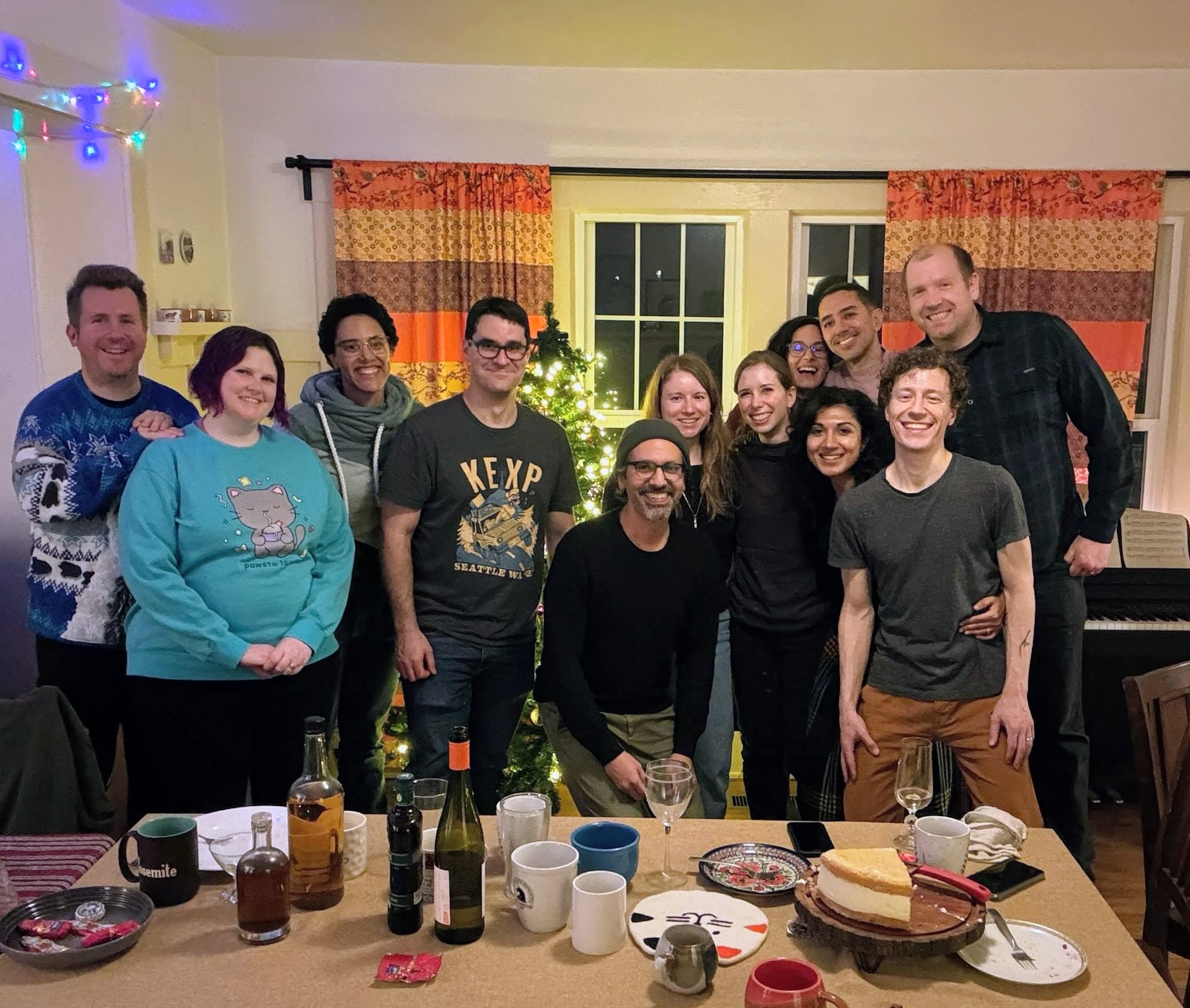
But for me, home equals community. It’s having friends that live just a few miles away who can come over for dinner on a random Monday night and bring leftovers to share. It’s having a standing run every Thursday morning with your squad, where you run slow and help each other process the latest work frustration. It’s the folks who text you asking how that doctor’s appointment about that weird pain in your stomach went. It's late-night soup and cold-medicine drop-offs. It’s seeing your friend smile and feeling a rush of joy.
Home has historically been a thorny topic for me, mired in complicated feelings about belonging, race, religion, immigration, and the increasingly mercurial nature of professional life. But I decided a long time ago that building community was important to me. Life is simply more fun with good people by your side.
Vienna was great, but I’ve worked pretty hard to build a community in the states that is very dear to me. Moving somewhere new would require an anchor on which to build another community. And while it’s totally doable–even downright meaningful and rewarding–to create that anchor and watch relationships blossom over many years, I can’t help but wonder…why blow up a good thing?